Four Top Terrorist Kingpins Neutralised In Two Years – President Tinubu
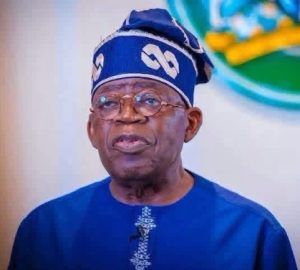
President and Commander-in-Chief of the Armed Forces of the Federal Republic of Nigeria, President Bola Ahmed Tinubu, GCFR, has reaffirmed his administration’s commitment to strengthening Nigeria’s intelligence architecture through technological innovation, strategic partnerships and enhanced inter-agency collaboration to effectively address the country’s evolving security challenges.

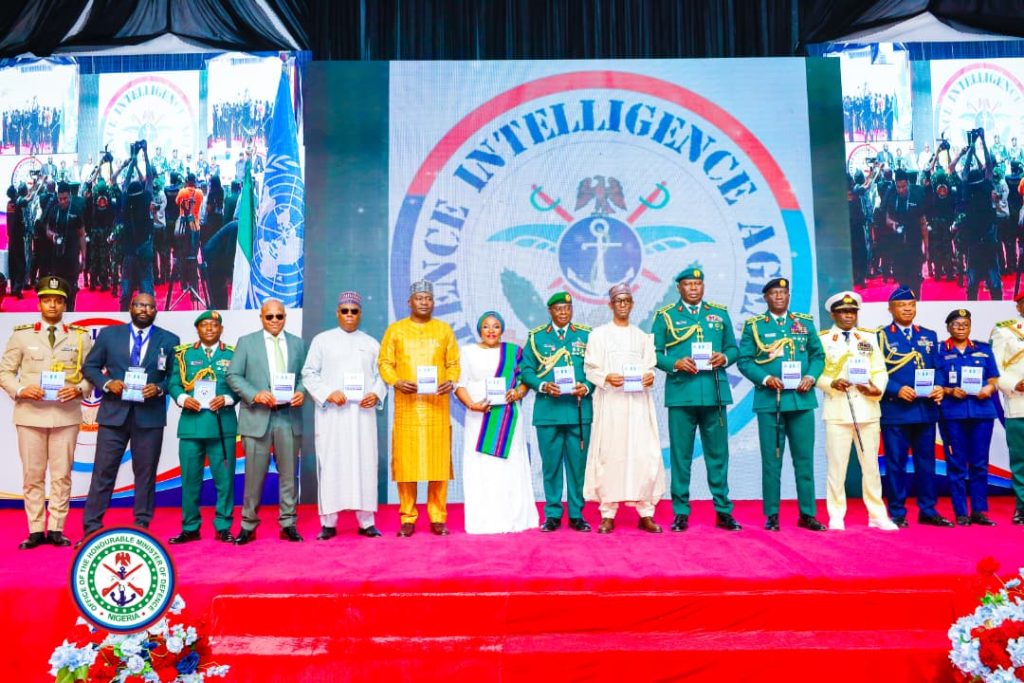
The President stated this on Monday, 16 November 2026, while delivering his address at the 2026 Chief of Defence Intelligence (CDI) Annual Conference held at the Armed Forces Event Centre, Asokoro, Abuja.
The conference, themed “Optimising Intelligence through Technological Innovations and Strategic Partnerships in a Complex Security Environment,” brought together senior military officers, security stakeholders, members of the diplomatic community and strategic partners to deliberate on emerging security threats and innovative approaches to national security.
Represented at the event by the National Security Adviser, Mallam Nuhu Ribadu, President Tinubu described the conference as timely, observing that threats to national security, including terrorism, banditry, kidnapping, cybercrime and transnational organised crime, had become increasingly dynamic, interconnected and technology-driven.
He emphasised that addressing these asymmetric threats requires integrated, proactive and intelligence-led operations capable of supporting timely strategic decisions and enhancing the operational effectiveness of security agencies.
Highlighting his administration’s achievements in the fight against terrorism, President Tinubu disclosed that four of the eight identified senior terrorist leaders had been neutralised or arrested within the last two years through sustained and coordinated security operations.

He noted that these successes demonstrated the growing capacity of Nigeria’s security forces to dismantle terrorist leadership structures, disrupt criminal networks and restrict their operational capabilities.
The President further disclosed that Nigeria had recorded over 1,000 convictions and more than 2,000 terrorism-related trials within the same period. He described these figures as evidence of sustained efforts to strengthen accountability and ensure that perpetrators of terrorism were brought to justice.
He charged security agencies to consolidate these gains by maintaining pressure on terrorist groups and criminal networks, protecting vulnerable communities and intensifying intelligence operations, particularly across the North-Central region.
President Tinubu also attributed improvements in the security environment to enhanced military operations, urging relevant agencies to sustain efforts to protect the nation’s critical energy infrastructure and revenue-generating assets through effective intelligence sharing and coordinated action.
Emphasising the growing importance of technology in modern intelligence operations, the President identified artificial intelligence, machine learning, cyber capabilities and unmanned systems as essential tools for detecting emerging threats, mapping criminal networks and generating early-warning intelligence.

He, however, cautioned that information generated through artificial intelligence must be subjected to proper verification and responsible human judgement, stressing that data protection and cybersecurity must remain central to the country’s intelligence systems.
On strategic partnerships, President Tinubu called for stronger cooperation among the Armed Forces, Defence Intelligence agencies, the Department of State Services (DSS), National Intelligence Agency (NIA), Nigeria Police Force (NPF), Nigeria Security and Civil Defence Corps (NSCDC) and other relevant security institutions.
He disclosed that Nigeria was strengthening its security relationships with the United States, France, the United Kingdom, China, the United Arab Emirates, Türkiye and neighbouring African countries, with particular emphasis on intelligence sharing, training and technological cooperation, while safeguarding the country’s sovereignty and national interests.
The President further stated that his administration was pursuing comprehensive national security reforms and had directed the Special Adviser on Homeland Security, Major General A. A. Tarfa, to coordinate the development of a comprehensive National Threat Assessment and a Five-Year Rolling Strategic Defence Operations Plan.
He urged participants to translate the deliberations and recommendations of the conference into clearly defined responsibilities, implementation timelines and measurable outcomes, stressing that the ultimate measure of success must be the ability of security institutions to make Nigerian communities safer.
In his goodwill message, the Honourable Minister of Defence, General Christopher Gwabin Musa (Rtd), OFR, underscored the importance of intelligence-driven operations, technological advancement and stronger collaboration among security institutions in addressing Nigeria’s contemporary security challenges.
The Minister called for increased investment in indigenous technical expertise and stronger partnerships with research institutions and technology companies, emphasising the need for Nigeria to develop home-grown technological capabilities to strengthen operational self-reliance.
He also reaffirmed the Federal Government’s commitment to supporting the Armed Forces and the intelligence community through enhanced operational capabilities, strategic partnerships and the development of indigenous defence technology.
Earlier in his welcome address, the Chief of Defence Intelligence, Lieutenant General Emmanuel Undiandeye, welcomed participants to the 2026 CDI Annual Conference, describing the gathering as an important platform for strengthening intelligence cooperation and developing innovative responses to Nigeria’s complex security environment.
He recalled that the conference, formerly known as the Defence Intelligence Agency Conference, had continued to provide an avenue for stakeholders to examine emerging security challenges and explore innovative approaches to optimising intelligence through technological advancement and strategic partnerships.
The CDI emphasised the need for collective commitment among security institutions and strategic partners to ensure that intelligence remained central to national security planning, policy formulation and operational decision-making.
He also acknowledged the contributions of the diplomatic community and other strategic stakeholders to Nigeria’s security efforts, expressing confidence that the conference would generate practical recommendations for strengthening the country’s intelligence architecture.
The 2026 CDI Annual Conference is expected to provide a strategic platform for exchanging professional experiences, deepening institutional and international partnerships, and advancing technology-driven intelligence solutions in support of Nigeria’s national security objectives.
Signed:
Enderline Chukwu
DD Information and Public Relations