Sheriff Oborevwori: A Trailblazer of Practical Governance, Visible Development in Delta State
By Anthonia N. Okwuolise, Abuja
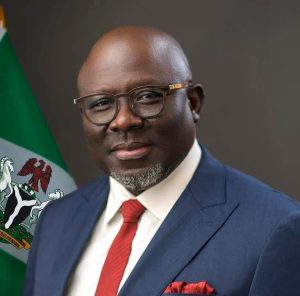
When the name of Delta State Governor, Sheriff Oborevwori, was announced among the recipients of the 2025 Governors of the Year Award by LEADERSHIP Newspaper, it was more than a ceremonial moment. Represented by his Deputy, Sir Monday Onyeme, the recognition symbolized what many Deltans have already experienced in their daily lives. It was an acknowledgment that governance in Delta State is not just about promises but about measurable impact.
Since assuming office, Governor Oborevwori has steadily built a reputation as a leader focused on results. His administration, guided by the MORE Agenda which stands for Meaningful Development, Opportunities for All, Realistic Reforms and Enhanced Peace and Security, has moved beyond political slogans to practical execution. At the beginning, some critics dismissed the agenda as another political acronym. However, three years down the line, the visible transformation across the state has silenced many doubters.

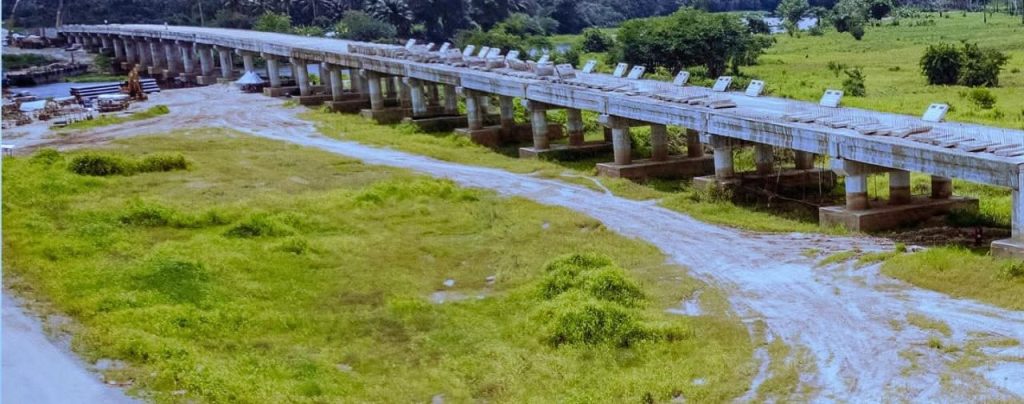
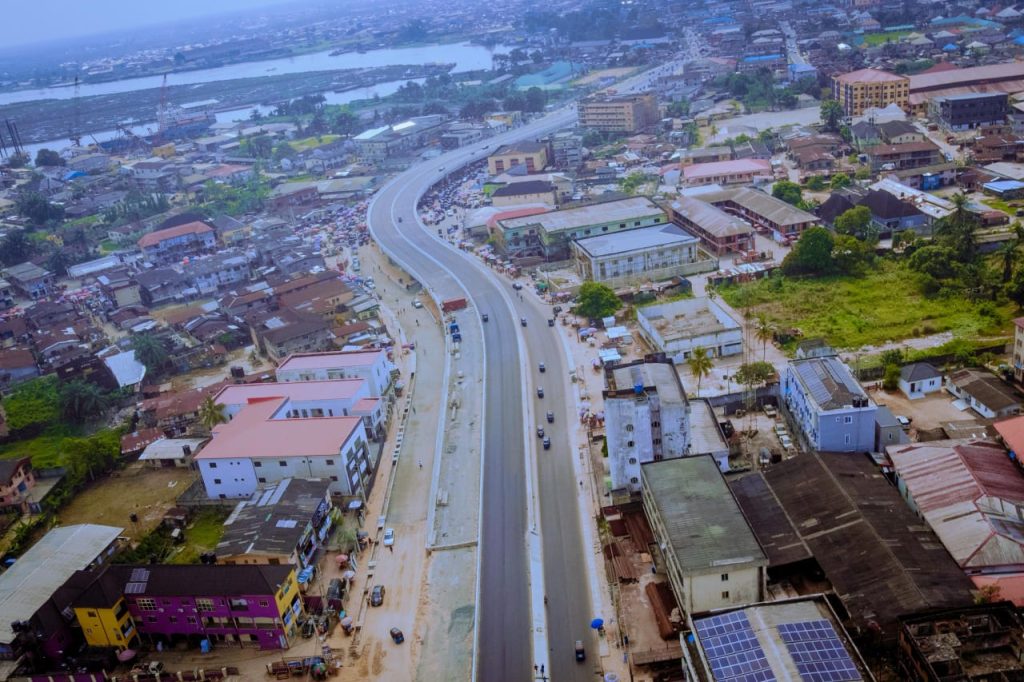
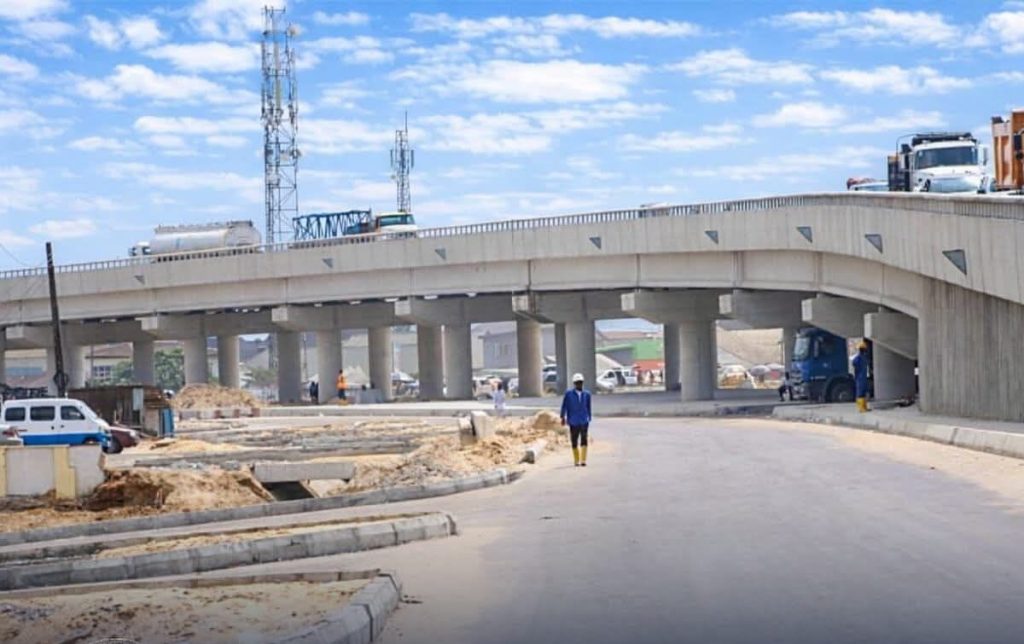
Across Delta North, Delta Central and Delta South, development is no longer an abstract concept. It can be seen in the roads people drive on, the bridges connecting communities and the flyovers easing long standing traffic congestion. One of the most talked about projects is the Uromi Junction Flyover in Agbor. Located along the busy Asaba Benin axis, the project was designed to reduce traffic pressure at one of the state’s major entry points. What used to be a frustrating bottleneck is gradually becoming a symbol of renewal and progress.
In Warri and Effurun, major flyover projects at PTI Junction, DSC Roundabout, Enerhen Junction and Effurun Roundabout are reshaping the urban landscape. These are not isolated constructions. They are part of a broader effort to modernize transportation, connect economic centers and improve the movement of goods and people. For residents and business owners, shorter travel time translates directly into productivity and economic growth.
Development under this administration has not been limited to urban centers. Rural communities have also felt the impact. Road dualization projects, rehabilitation of abandoned routes and the construction of bridges linking riverine areas have improved access to farming communities. Farmers can now transport produce more easily to markets, reducing waste and increasing income. This balanced spread of projects across all senatorial districts reflects a conscious effort to ensure fairness and inclusion.
Beyond infrastructure, the administration has demonstrated financial discipline. Large scale projects require careful planning and responsible spending. Despite economic challenges affecting many states in Nigeria, Delta has maintained relative fiscal stability. Salaries and pensions have been paid consistently, strengthening confidence among workers and retirees. Improved internally generated revenue and prudent budgeting have allowed the state to fund capital projects without neglecting its obligations.
Education has also remained a priority. Delta State stands out as the only state in Nigeria with four state owned universities. Under Governor Oborevwori, funding for these institutions has been sustained, while campus facilities have received attention. At the primary and secondary levels, schools have benefited from classroom renovations, improved laboratories and teacher recruitment. Bursary payments to students have also continued, helping families cope with rising educational costs. By investing in education alongside infrastructure, the administration is laying a foundation for long term development.
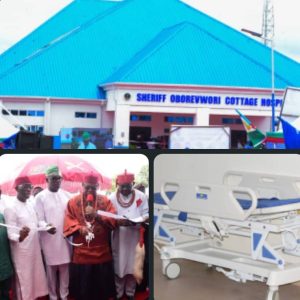
Healthcare services have seen steady improvement as well. General hospitals and primary healthcare centers have been upgraded in several communities. Modern equipment has been provided, and previously neglected facilities have been revived. Access to healthcare in rural areas has improved, bringing relief to residents who once had to travel long distances for basic medical attention. Social protection programs targeting women, youth and persons living with disabilities have further demonstrated that development must touch lives directly.
Security remains a central pillar of the MORE Agenda. Delta State occupies an important position in the Niger Delta region, where peace and stability are essential for economic activity. Through collaboration with federal security agencies and community structures, the state has maintained relative calm. An environment of peace encourages business confidence and investment.
Another significant development in the political landscape has been Governor Oborevwori’s decision to align Delta State with the ruling party at the federal level by joining the All Progressives Congress. In a federal system like Nigeria’s, political alignment with the center can influence access to support and cooperation on major projects. His decision to align with the government of President Bola Ahmed Tinubu has been interpreted by many observers as a strategic move aimed at strengthening Delta’s position within the national framework. Supporters believe it will enhance collaboration and attract more federal attention to the state’s developmental priorities.
The recognition from LEADERSHIP Newspaper adds to other commendations from national media organizations. While awards alone do not define performance, repeated acknowledgment from different platforms suggests consistency in governance. However, for the ordinary citizen, the true reward is not a plaque but better roads, improved schools, accessible healthcare and a government that responds to the needs of its people.
In assessing the reasons behind the honors, three main factors stand out. First is the clear evidence of infrastructure development across the state. Projects like the Uromi Junction Flyover and the Warri Effurun flyovers will remain visible landmarks for years to come. Second is the emphasis on fiscal responsibility, ensuring that expansion is sustainable rather than reckless. Third is the strategic political alignment that positions Delta advantageously within Nigeria’s federal structure.
Governor Oborevwori’s journey so far reflects a blend of pragmatism, ambition and steady execution. The applause that greeted his recognition represents public acknowledgment of effort, but it also carries expectation. Development must be sustained. Infrastructure must be maintained. Political strategies must continue to yield tangible benefits for the people.
At this moment, Delta State appears to be on a forward path, guided by a governor whose leadership style emphasizes practical results over rhetoric. The golden footprints being laid today may well define the legacy of an administration determined to leave Delta stronger, more connected and more inclusive than it met it.