Police, POWA Warn Against Child Marriage, Say Every Girl Deserves Education, Protection
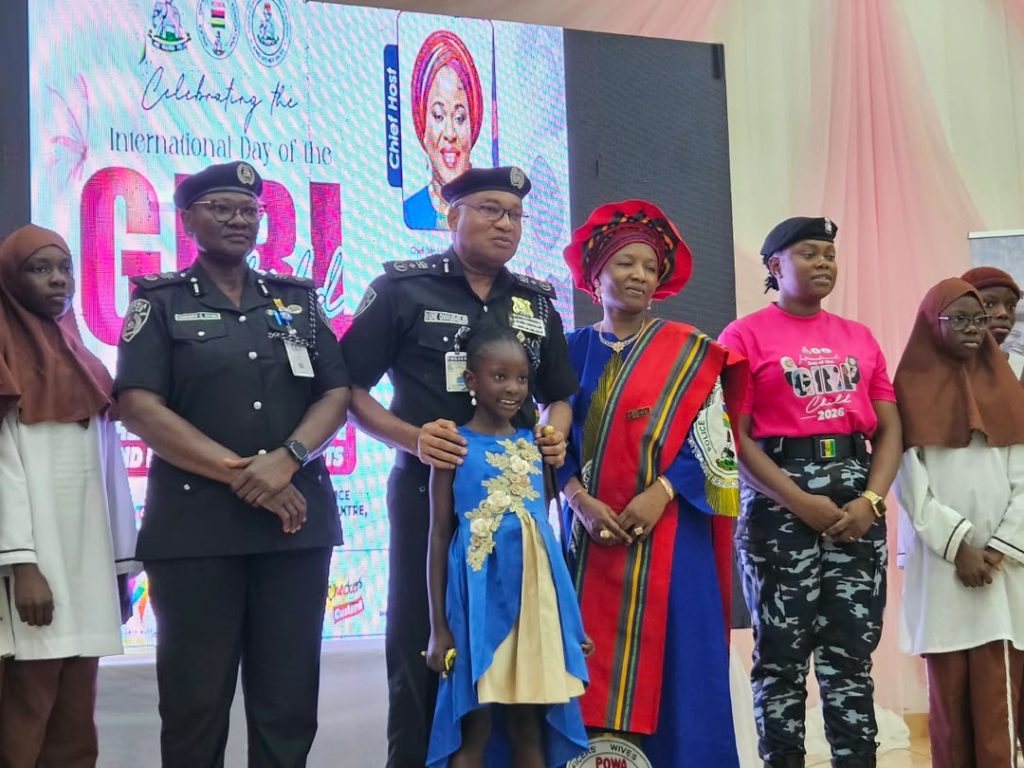
The Nigeria Police Force, the Police Officers’ Wives Association (POWA) and the Police Campaign Against Cultism and Other Vices (POCACOV) have called for an end to child marriage, urging parents, community leaders and policymakers to protect the rights of the girl-child and invest in her education, safety and future.
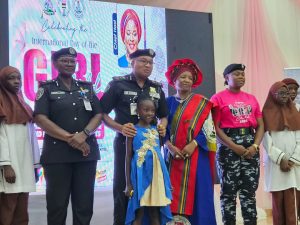
The call was made during a programme commemorating the 2026 International Day of the Girl Child, organised through a collaboration between POWA and POCACOV, where senior police officers and child-protection advocates warned that early marriage deprives girls of their childhood, education and opportunities to fulfil their potential.
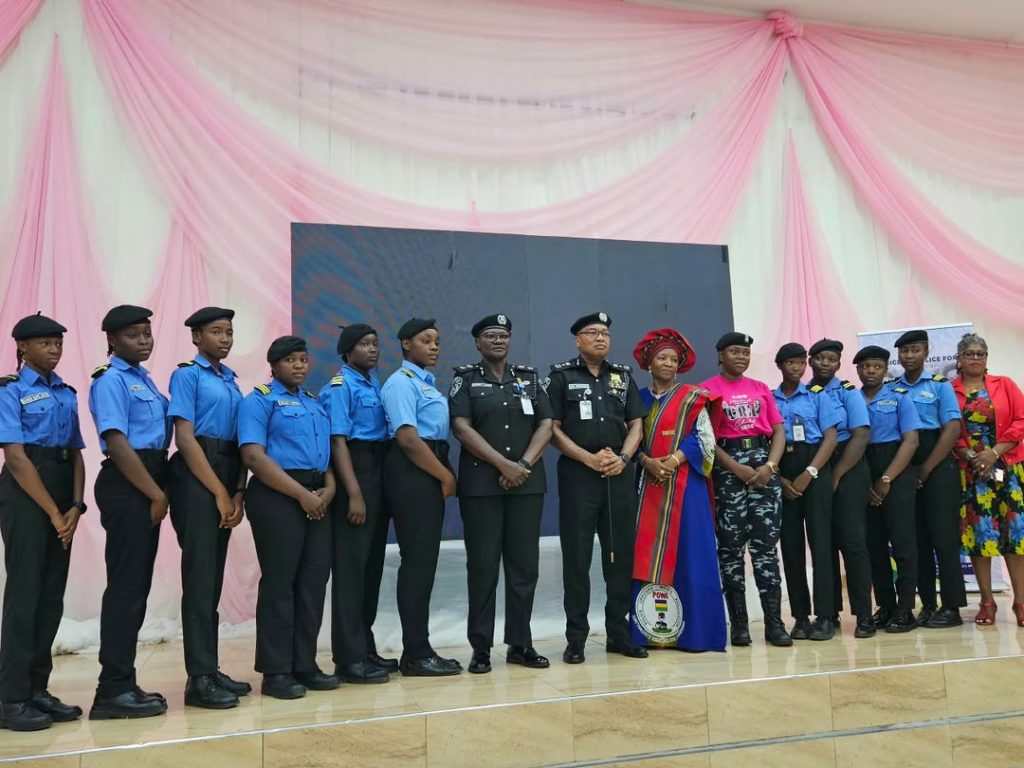
The speakers stressed that poverty, harmful cultural practices, gender inequality and insecurity must not be allowed to justify the denial of girls’ fundamental rights.
Representing the Inspector-General of Police, IGP Olatunji Disu, the Deputy Inspector-General of Police in charge of Logistics and Supply, DIG Kenechukwu Onwuemelie, described the protection of the girl-child as both a legal obligation and a moral responsibility shared by government institutions, families and society.
He commended POCACOV and POWA for organising the programme, noting that their collaboration reflected a common commitment to safeguarding the dignity, rights and future of girls.
According to him, child marriage remains a major barrier to girls’ advancement, exposing them to poverty, violence, abuse and restricted life opportunities while denying them access to education and the chance to realise their full potential.
“The Nigeria Police Force recognises that protecting the girl-child is not merely a legal obligation, but also a moral and societal responsibility,” he said.
The IGP’s representative reaffirmed the commitment of the police to protecting children and other vulnerable persons through law enforcement, community engagement, public awareness and strategic partnerships with relevant stakeholders.
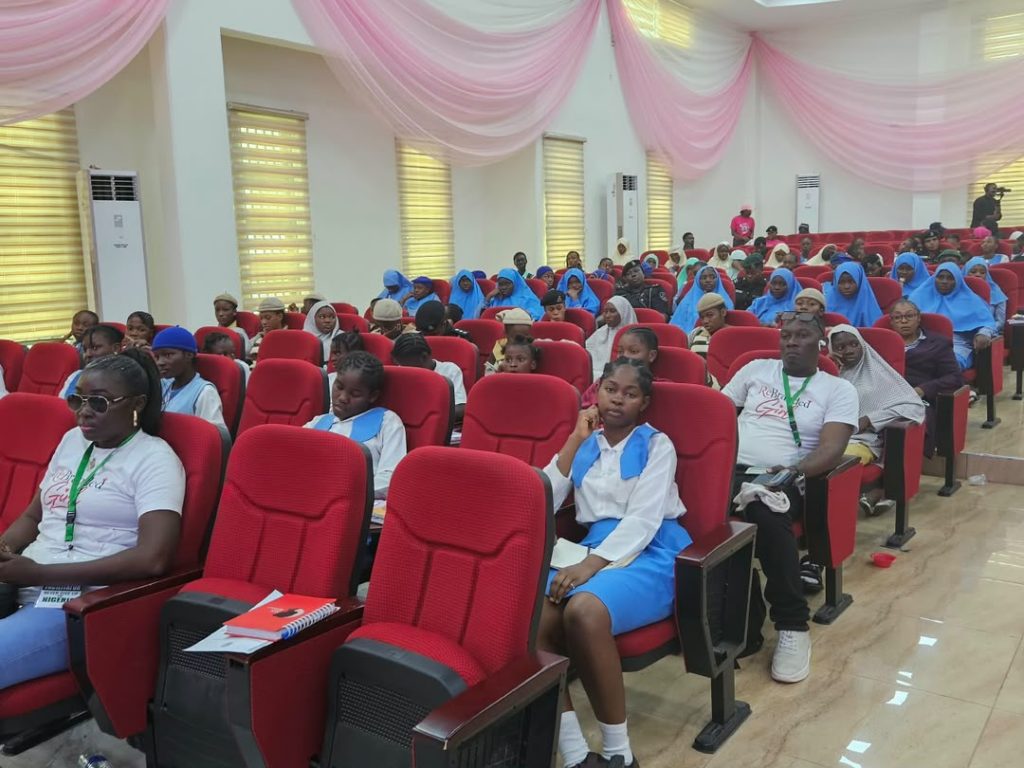
He added that investing in girls’ education, health, safety, leadership opportunities and economic empowerment would contribute to peace, security and national development.
On her part, the President of POWA, Mrs Olufunmilayo Disu, represented by the wife of the DIG in charge of Training, Mrs Zainab Ishaku Muhammed, urged Nigerians to challenge harmful traditions and social pressures that perpetuate child marriage.
She maintained that cultural heritage should not become an excuse for practices that undermine children’s rights, stressing that traditions should provide girls with identity and a sense of belonging rather than impose limitations on their aspirations.
According to her, educating a girl goes beyond preparing her for employment, as it equips her to make informed decisions, build healthier families, lead institutions and contribute meaningfully to society.
She warned that when a girl is denied education, society loses a potential leader, innovator and catalyst for positive change.
POWA also called on parents to listen to their daughters, protect their dignity and create homes where their voices are respected, while urging government institutions, religious leaders, traditional rulers, schools and communities to strengthen child-protection policies and enforce laws against child marriage.
Addressing girls at the event, Mrs Muhammed encouraged them to pursue their ambitions without allowing societal expectations to limit their dreams.
“Your education, safety and future matter. Never allow anyone to convince you that your dreams must end where their expectations begin,” she said.
She urged girls facing threats or abuse to speak out and seek assistance, adding that protecting children requires collective action and a commitment to ensuring that every girl has the opportunity to grow, learn and thrive.
Earlier, the National Coordinator of POCACOV, Superintendent of Police Orvenonne Ikwen, PhD, described the commemoration as an opportunity to renew the collective commitment to ending child marriage and protecting girls from abuse, exploitation, discrimination and other harmful practices.
She said the programme reflected the Nigeria Police Force’s commitment to preventive policing, community engagement and the protection of vulnerable members of society.
Ikwen emphasised that every girl deserved the opportunity to become a professional, innovator, leader and positive contributor to national development, warning that adverse circumstances should not be allowed to silence their dreams.
She called for stronger public awareness, mentorship programmes, educational support and collaboration among parents, schools, government agencies, civil society organisations and corporate bodies.
The POCACOV coordinator also encouraged girls to understand their rights, make responsible choices, identify negative influences and seek help from trusted adults or police officers whenever they feel unsafe.
In her keynote address, Commissioner of Police Sarah Ehindero, speaking on the theme, “Investing in the Rights of the Girl-Child: Ending Child Marriage and Building a Safer Future for Every Girl,” described child marriage as a harmful practice that forces children into responsibilities for which they are not physically, emotionally or psychologically prepared.
Using the example of a 10-year-old girl being married off, Ehindero illustrated the disruption early marriage causes to a child’s development, explaining that such a girl could be removed from her familiar environment and expected to adjust to a new family and culture while still trying to understand herself.
She stressed that every girl deserved sufficient time to mature, obtain an education, develop her abilities and make informed decisions about her future.
“Child marriage is not simply a private family matter,” she said, warning that the practice could undermine girls’ physical health, emotional wellbeing, education and future prospects.
Ehindero identified poverty, gender inequality, insecurity, harmful social norms and limited access to education among the factors that contribute to child marriage.
She explained that some families marry off their daughters to wealthier households in the hope of securing financial benefits or protection, but warned that such expectations must not take precedence over the rights and best interests of the child.
The police commissioner called for constructive engagement with families and communities while maintaining a firm commitment to protecting children from harmful practices.
Police promise professional handling of child-abuse cases
Ehindero reaffirmed the responsibility of the Nigeria Police Force to investigate reported cases involving children and work with relevant institutions to ensure that victims receive appropriate protection and justice.
She explained that child-protection cases often require collaboration among the police, medical personnel, social welfare officers, ministries responsible for women and children, and the Ministry of Justice, particularly where prosecution becomes necessary.
She said the best interests of the child must remain central to investigations, irrespective of the child’s background, community or family connections.
According to her, effective child protection requires more than responding after abuse has occurred. It also demands public education, community engagement, early intervention and the identification of children at risk.
She noted that gender and family units within police divisions play important roles in handling cases involving women and children, adding that police officers have received training in child-protection and investigative practices.
Ehindero urged parents, teachers, religious institutions, community leaders and other stakeholders to take responsibility for preventing child marriage and reporting suspected cases of abuse, exploitation, trafficking and other unlawful practices.
She also encouraged children to approach police officers whenever they encounter danger or require assistance.
“Police is your friend. Police will always be your friend,” she told the girls, urging them to speak up whenever they face challenges that threaten their safety or wellbeing.
The speakers collectively stressed that ending child marriage requires sustained action beyond annual commemorations, including access to quality education, stronger child-protection systems, enforcement of relevant laws and a change in social attitudes that expose girls to harm.
They urged Nigerians to ensure that every girl remains in school, enjoys her childhood and has the freedom to pursue her ambitions in a safe and supportive environment.
The programme concluded with a renewed call for families, institutions, communities and development partners to work together to protect the girl-child, promote equal opportunities and build a safer future for the next generation.