When Will It End? Plateau’s Cycle of Retaliation Leaves More Lives Shattered By Olayemi Esan
The latest wave of killings in Plateau State should trouble the conscience of every Nigerian. Beyond the competing narratives, accusations, and counter-accusations lies a painful reality that cannot be ignored: innocent lives continue to be lost, families continue to mourn, and communities remain trapped in an unending cycle of violence.
Recent videos circulating online present different accounts of the crisis. One shows Fulani families burying loved ones reportedly killed in an attack allegedly carried out by armed Berom militia. Another features a Berom youth leader lamenting the deaths of members of his community and accusing armed Fulani assailants of carrying out the killings.
Regardless of who speaks, the grief is unmistakable. The tears of bereaved families tell the same story. Every fresh grave represents another life cut short, another household shattered, and another community pushed deeper into fear and mistrust.
For decades, Plateau State has struggled with recurring communal violence fuelled by disputes over land, resources, identity, and political representation. What may begin as an isolated attack too often evolves into a chain of reprisals, with each act of violence provoking another. In this dangerous cycle, the line between victim and avenger becomes increasingly blurred, while innocent civilians bear the greatest burden.
I believes that the time has come to reject every attempt to justify criminality through ethnic or communal affiliation. Criminals remain criminals, regardless of the community from which they come. Those who murder innocent people, burn homes, or terrorise villages do not represent the values of the Fulani, the Berom, or any other ethnic group in Plateau State. They represent lawlessness, and they must be treated as such.
Equally disturbing is the tendency of some individuals to shield offenders because they share a common identity. Silence in the face of murder is not neutrality; it is complicity. Communities that protect killers today may become victims tomorrow. Sustainable peace cannot flourish where criminals are allowed to hide behind ethnic loyalty.
Government must demonstrate that justice is impartial. Every allegation of violence should be thoroughly investigated, and every suspect should be prosecuted based on credible evidence, not ethnicity, religion, or political influence. Justice must not only be done but must be seen to be done if public confidence is to be restored.
Security agencies also have an enormous responsibility to sustain intelligence-driven operations, strengthen early warning mechanisms, and protect vulnerable communities before violence erupts rather than merely responding after lives have already been lost. Preventing attacks is far more valuable than counting casualties.
Traditional rulers, religious leaders, youth organisations, women’s groups, and civil society must equally rise above divisions. They possess the moral authority and grassroots influence needed to discourage reprisals, promote dialogue, and encourage cooperation with law enforcement. Their voices are indispensable in rebuilding trust between neighbouring communities.
The media, too, must exercise restraint and responsibility. Reporting should be factual, balanced, and free from language that inflames tensions or promotes collective blame. At a time when misinformation spreads rapidly through social media, journalists must remain committed to accuracy and conflict-sensitive reporting.
The overwhelming majority of Fulani and Berom citizens desire peace. They want to farm, raise livestock, educate their children, conduct business, and live without fear. Their aspirations are no different from those of millions of other Nigerians. They should not be held hostage by the actions of a violent few.
The question confronting Plateau State—and indeed the nation—is no longer simply who attacked whom. The more urgent question is: When will this end?
The answer lies not in another reprisal attack, another funeral procession, or another round of mutual accusations. It lies in justice without bias, accountability without exception, courageous community leadership, and an unwavering commitment by all stakeholders to reject violence as a means of settling disputes.
History has shown that no community truly triumphs in a conflict sustained by revenge. Eventually, every side buries its dead, every family mourns, and every generation inherits deeper scars.
Plateau State deserves better. Nigeria deserves better. The time to break this tragic cycle is now.
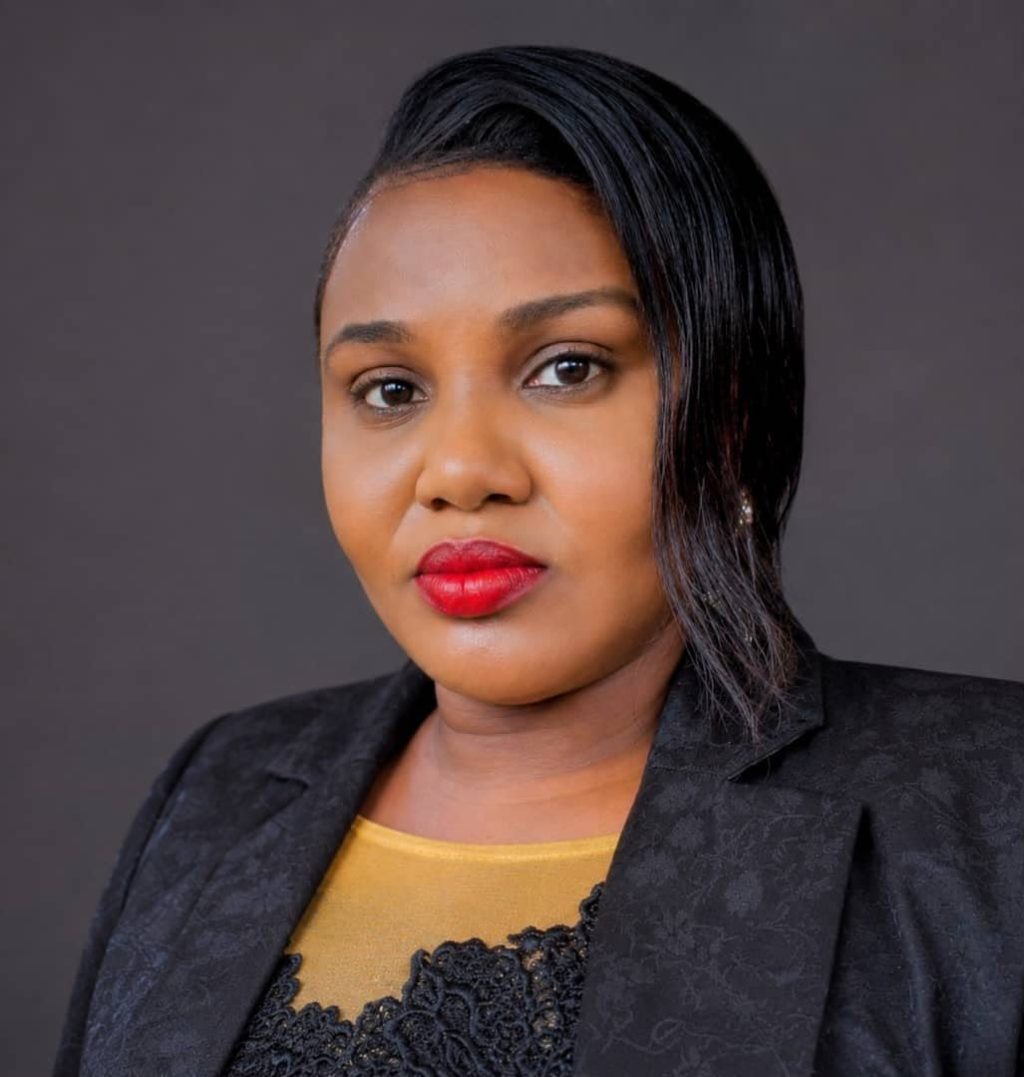
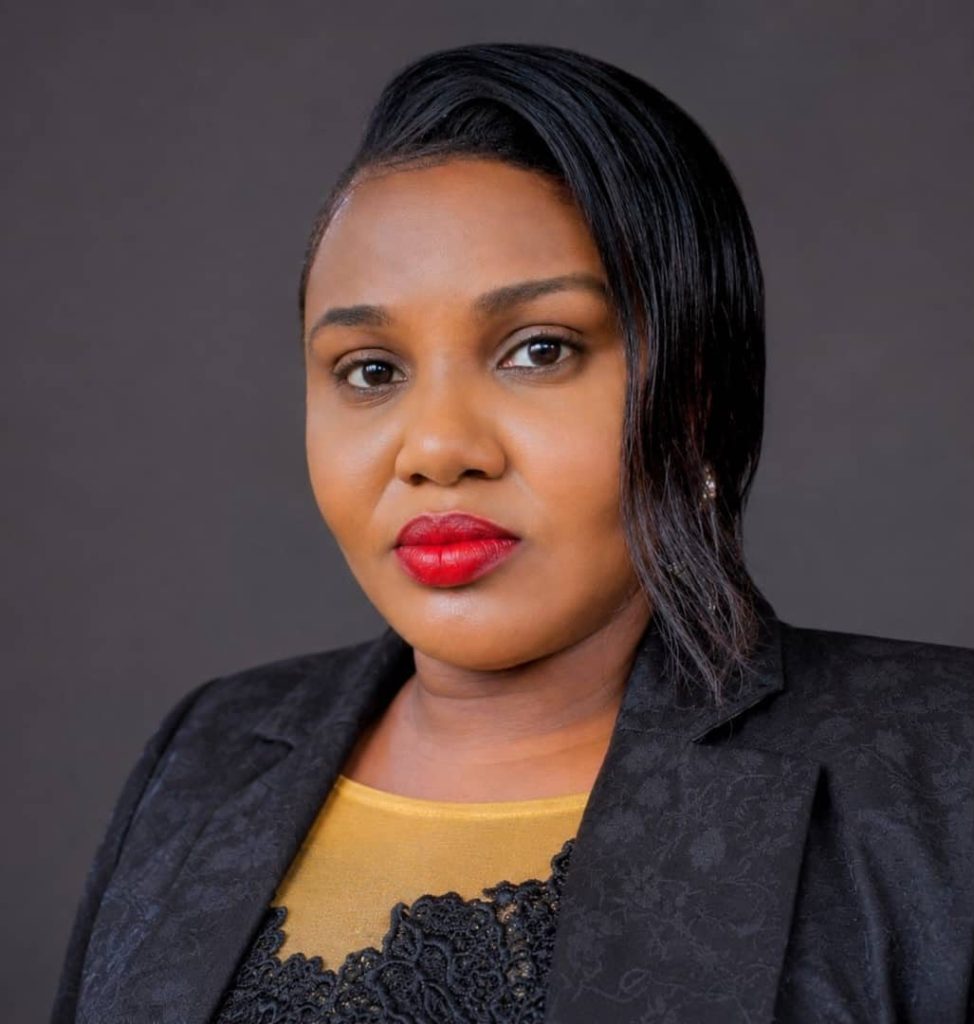
Olayemi Esan is a Nigerian Journalist, Security, Defence and Counter Terrorism Correspondent, and a Public Relations Practitioner. She can be reached via her email yemiesan04@gmail.com or +234-803-513-2961