African Defence Chiefs Close Landmark 2025 Summit in Abuja with Strong Message of Unity Against Terrorism

By Anthonia N. Okwuolise, Abuja
The first-ever African Chiefs of Defence Summit came to a close in Abuja with a powerful appeal for unity and collective action in the face of the many security threats confronting the continent.
The three-day event, which drew defence chiefs and military leaders from across Africa, ended on Wednesday with a renewed commitment to work together in tackling terrorism, banditry, piracy, cybercrime, and other challenges that continue to destabilise the region.
Declaring the summit officially closed, Nigeria’s Chief of Defence Staff, General Christopher Gwabin Musa, urged all 36 Defence Chiefs in attendance to return to their countries with a stronger determination to act, rather than just deliberate. He stressed that Africa’s peace and security are within reach if leaders cooperate and translate their words into practical steps.
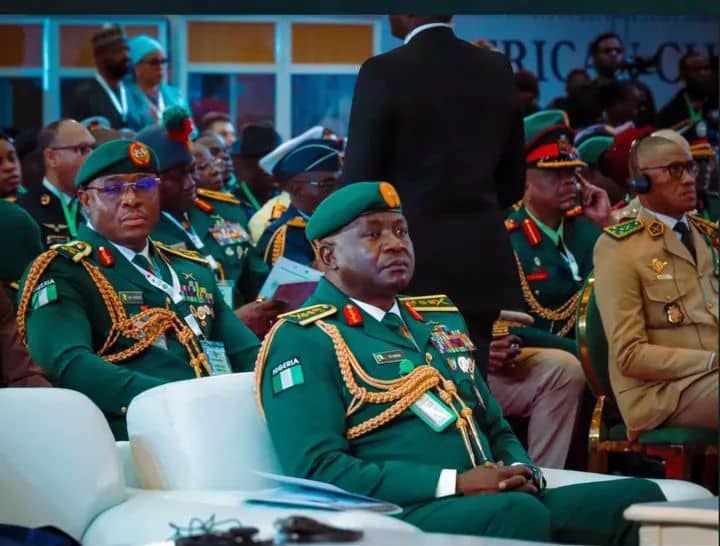
General Musa reminded participants that while African nations may be separated by geographical borders, they are united by destiny and shared struggles. He added that a peaceful and secure Africa would serve as a shining example to the rest of the world.
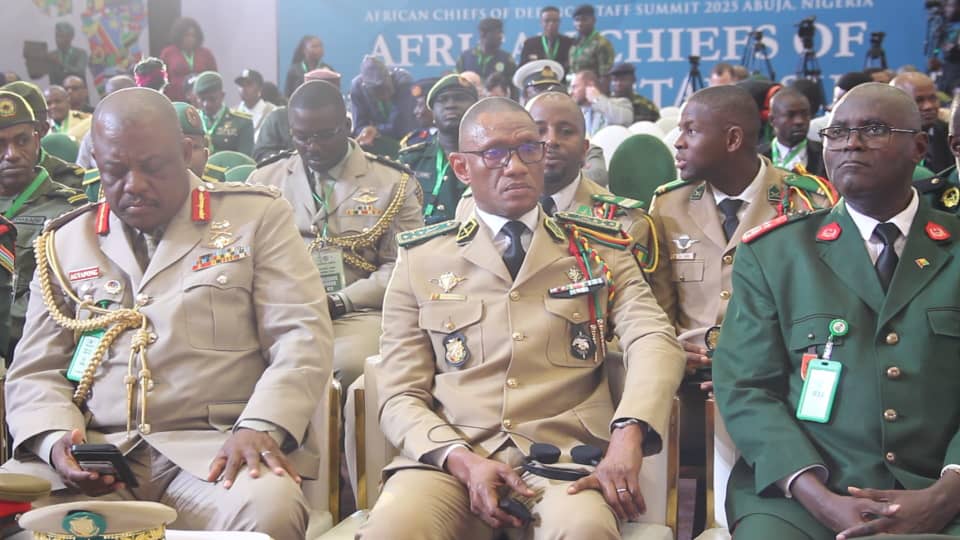
Throughout the summit, which focused on the theme “Combating Contemporary Threats to Regional Peace and Security in Africa: The Role of Strategic Defence Collaborations,” participants engaged in deep discussions about how to confront the continent’s pressing issues. Topics included terrorism, cyber warfare, intelligence sharing, maritime security, and the use of modern technology to strengthen defence.
One of the strongest points raised during the deliberations was the urgent need for better border management to reduce terrorism, human trafficking, and smuggling. Defence chiefs also highlighted the importance of joint military operations, stronger intelligence networks, and counter-radicalisation efforts to curb extremist groups.
Another key area of focus was the role of technology. The summit called for the adoption of artificial intelligence and other emerging tools to improve early warning systems, detect threats faster, and disrupt criminal activities. Financing African defence systems locally was also stressed, with participants calling for more investment in indigenous industries, innovation, and public-private partnerships to reduce heavy dependence on foreign support.
Attention was equally given to Africa’s waters, particularly the Gulf of Guinea, the Indian Ocean, and the Mediterranean, where maritime crimes and piracy continue to threaten trade and regional stability. Strengthening naval cooperation was seen as vital for protecting Africa’s economic lifelines.
The summit did not end with talk alone. A major milestone was reached with the signing of a Memorandum of Understanding for the International Defence Exhibition 2026, which will take place in Lagos, Nigeria. The exhibition is expected to showcase Africa’s growing defence capabilities and strengthen collaboration with global partners.
In his closing remarks, General Musa expressed optimism that the resolutions and commitments made during the Abuja summit would not be left on paper but would be transformed into real strategies and actions across the continent. He challenged defence chiefs to brief their political leaders and push for stronger national and regional policies that reflect the spirit of the summit.
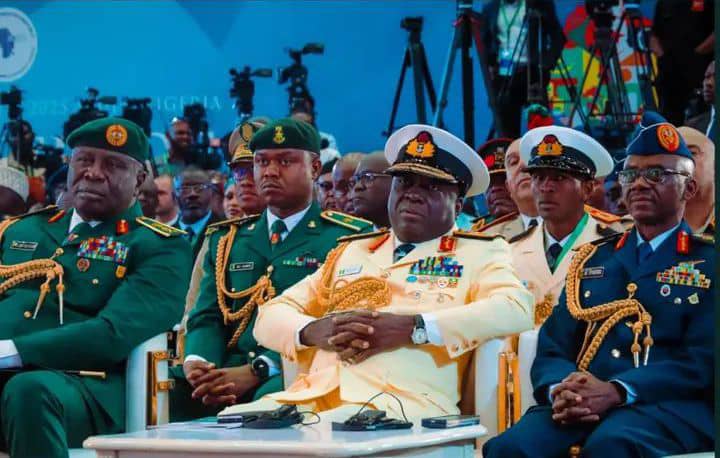
He further thanked President Bola Ahmed Tinubu, African heads of state, Nigeria’s Minister of Defence, the organising committees, and all participants for their roles in making the maiden summit a success.
General Musa ended on a hopeful note, saying that the summit had rekindled the African spirit of unity and solidarity. He stressed that the friendships and partnerships built in Abuja would continue to grow, ensuring that Africa takes stronger steps toward peace and prosperity.
The 2025 African Chiefs of Defence Summit has now set the foundation for greater cooperation in regional security and defence. With the commitments made, it is seen as a turning point that could shape the future of Africa’s fight against insecurity and pave the way for stronger partnerships in the years to come.